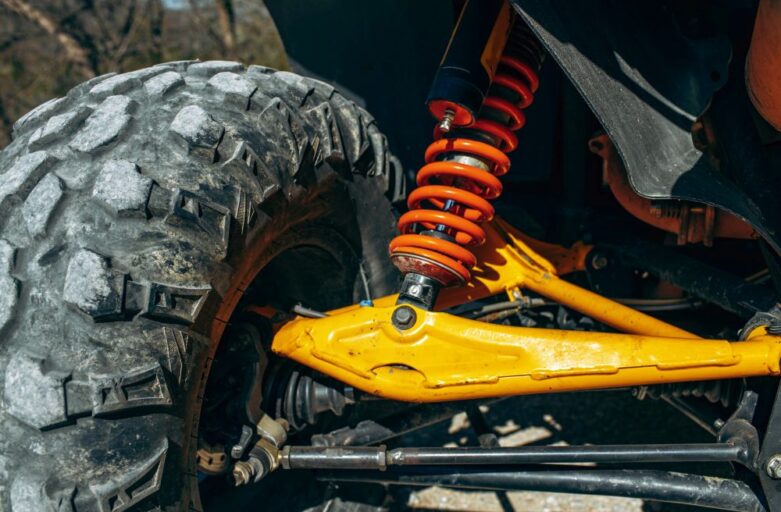
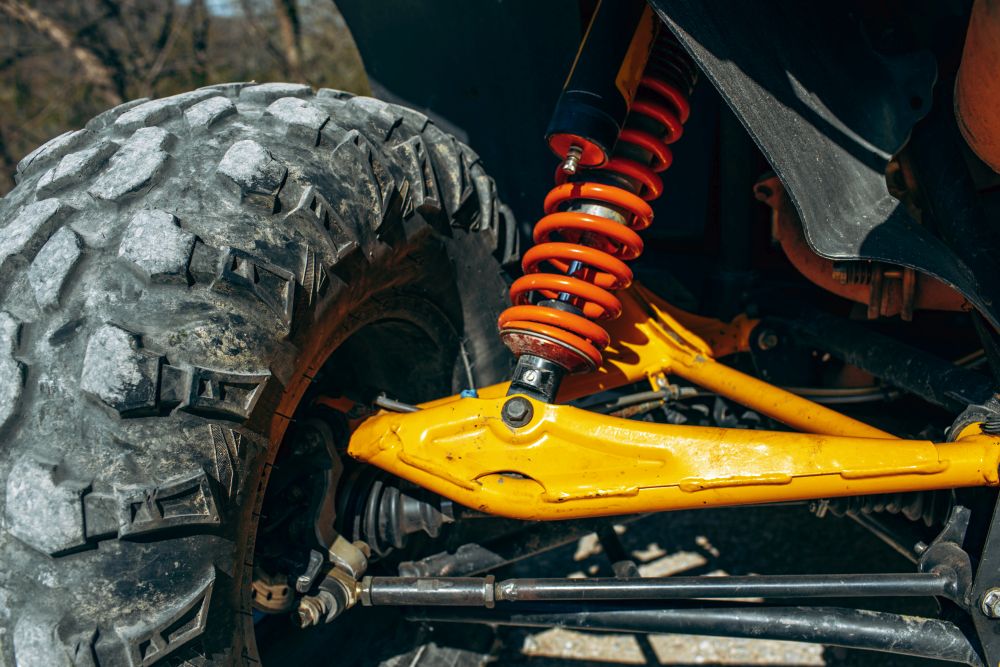
One might reasonably wonder why kyb shock absorbers command such devoted followings among mechanics and motorists alike, these unassuming cylinders of metal and hydraulic fluid tucked away beneath vehicles where few ever see them, yet their influence on every journey proves as undeniable as gravity itself. The answer lies not in flashy marketing or automotive mystique, but in the prosaic virtues of engineering competence, manufacturing consistency, and that rarest of commercial qualities: delivering precisely what one promises.
The Architecture of Choice
To navigate the KYB product catalogue intelligently requires understanding that these various offerings emerged not randomly but systematically, each addressing particular engineering challenges with solutions refined over decades. The range presents itself as a hierarchy of capability, though hierarchy suggests superiority where in truth we find appropriateness. The Excel-G serves admirably where the Gas-A-Just would prove excessive. Context determines value.
Consider the Excel-G line, which one might call the foundation of the range. These twin-tube dampers restore original equipment performance with admirable fidelity, employing hydraulic principles that date to the mid-twentieth century yet remain entirely valid. Twin-tube construction places an inner working cylinder within an outer reservoir, a configuration that manages heat adequately for normal driving whilst maintaining compact dimensions.
The Gas-A-Just series introduces monotube architecture and elevated nitrogen pressure, characteristics that shift performance parameters noticeably. Monotube designs locate piston and gas charge within a single cylinder, allowing superior heat dissipation during extended use. The higher gas pressure, typically twice that of twin-tube units, reduces aeration and cavitation, those phenomena that cause damping fade when hydraulic fluid mixes with gas bubbles.
Decoding Technical Specifications
When you explore KYB suspension and shock absorber options, certain specifications recur with enough frequency to warrant explanation. Compression and rebound damping refer to the resistance encountered during suspension compression and extension respectively. Engineers calibrate these independently to optimize vehicle behavior. Firmer rebound damping prevents excessive oscillation after bumps. Softer compression damping maintains ride comfort over rough surfaces.
Gas pressure affects multiple performance characteristics:
- Higher pressure reduces fade by preventing cavitation
- Increased pressure typically produces firmer initial feel
- Elevated pressure can improve response during rapid suspension movements
- Higher pressure demands better seal materials to prevent leakage
Physical dimensions matter perhaps more than any other specification. Stroke length must match the suspension’s travel range. Mounting configuration must align with chassis points. Overall length affects installation clearances. Installing a shock with insufficient stroke invites bottoming, which damages internal components and compromises safety.
The Strut Conundrum
MacPherson strut suspensions, that elegant solution combining shock absorber and spring mounting in a single structural member, present particular replacement challenges. One cannot simply install a new damper cartridge and consider the task complete.
The KYB Strut-Plus assemblies address this reality by providing complete, pre-assembled units. These eliminate the need for spring compression, that hazardous task best avoided by those lacking proper equipment. They ensure correct spring positioning and bearing condition. They simplify installation whilst guaranteeing proper geometry.
Singapore’s Particular Requirements
As one knowledgeable parts specialist in Singapore’s automotive quarter remarked, “KYB shock absorbers suit Singapore conditions remarkably well. The seals resist our humidity, and the valving handles our traffic patterns without complaint.” This observation addresses critical concerns.
Tropical climates test suspension components relentlessly. Elevated temperatures accelerate seal degradation. Humidity promotes corrosion. The constant thermal cycling between air-conditioned comfort and exterior heat stresses materials. KYB suspension components employ seal materials and protective coatings that resist these degradations better than economy alternatives.
Singapore’s traffic patterns create unique demands. The constant acceleration and deceleration of urban driving cycles suspension components millions of times annually. Expressway expansion joints subject dampers to sharp impacts. The occasional poorly maintained surface road demands full suspension travel.
The Modification Question
Enthusiasts who lower their vehicles or install stiffer springs encounter complications that standard KYB shock options may not address optimally. Lowering reduces suspension travel, potentially causing shocks to bottom or operate outside their intended stroke range.
Some KYB product lines offer variants specifically calibrated for modified suspensions. These feature adjusted valving and, in some cases, shortened bodies that accommodate reduced ride heights. Installing standard shocks on significantly modified vehicles risks disappointment at best, damage at worst.
Making Informed Decisions
The process of selecting appropriate suspension components demands honest self-assessment. How do you actually drive? What conditions do you regularly encounter? Do your performance expectations exceed standard specifications? Can your budget accommodate premium options, and will you actually benefit from their enhanced capabilities?
These questions lack universal answers. The enthusiast who regularly explores mountain roads requires different components than the urban commuter who rarely exceeds speed limits. The vehicle carrying substantial loads needs more robust damping than one that rarely carries passengers.
The Value Calculation
Price comparisons prove meaningless without context. A damper costing twenty percent less but lasting half as long costs more ultimately. Conversely, premium units offering capabilities you’ll never use represent waste regardless of their quality. The KYB suspension range deliberately spans this spectrum, providing genuine choice rather than forcing compromise.
Quality suspension components influence safety, comfort, handling, and tyre wear. They affect braking distances and emergency maneuver capability. They determine whether passengers arrive relaxed or fatigued. These factors justify careful consideration when evaluating KYB suspension and shock absorber options.