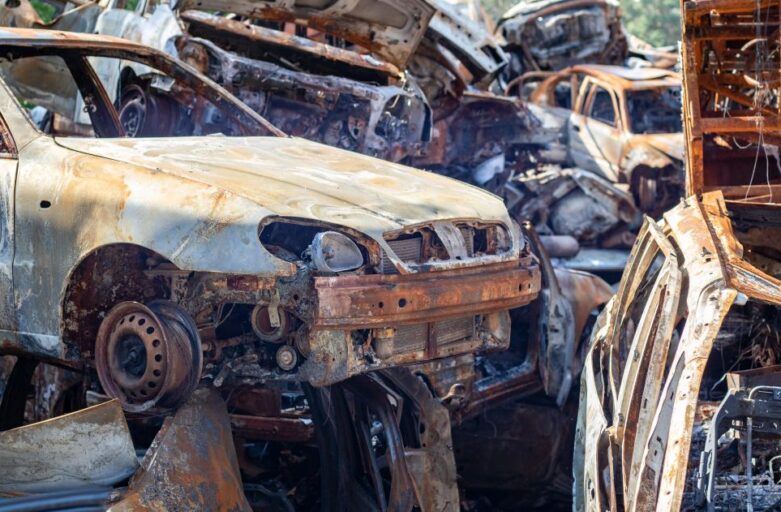
Those contemplating the disposal of a scrap car singapore face a financial labyrinth that, once understood, reveals opportunities for substantial monetary recovery. The island nation’s vehicle ownership structure stands alone amongst global automotive markets, where the end of a car’s life cycle triggers a series of rebates and returns that can total tens of thousands of dollars. Yet the system’s complexity means many owners forfeit money simply through ignorance of the mechanisms at their disposal.
A System Born from Necessity
Singapore’s approach to vehicle scrapping emerged from geographical and demographic realities that could not be ignored. A small island with limited land and an expanding population required solutions that conventional urban planning could not provide. The architects of Singapore’s transport policy recognised early that unrestricted vehicle ownership would strangle the city-state’s arteries, rendering movement impossible and strangling economic growth.
The Certificate of Entitlement system, when introduced in 1990, represented a radical departure from standard automotive regulation. Rather than merely taxing vehicles or restricting imports, the government created a market for the right to own a car itself. This innovation transformed vehicle ownership from a simple purchase into a complex financial instrument with defined lifespans and calculable returns. The scrapping incentives that followed formed the natural complement to this system, providing financial inducements for timely disposal rather than indefinite retention.
The Mathematics of Disposal
Three distinct financial streams flow to owners who scrap their vehicles properly, each calculated according to different formulae and subject to particular conditions. Understanding these components separates those who maximise returns from those who leave money unclaimed.
The PARF rebate constitutes the largest potential return for most vehicle owners. This preferential refund applies exclusively to automobiles deregistered before their tenth birthday, creating an absolute deadline that governs planning. The rebate amount represents a percentage of the Additional Registration Fee paid at initial registration, with the percentage declining as the vehicle ages. A car scrapped in its fifth year might yield 75 per cent of the ARF paid, whilst one approaching year nine receives considerably less. The decline follows a predictable schedule, allowing precise calculation of optimal disposal timing.
The COE rebate operates through simpler mathematics but no less significant amounts. Vehicle owners who deregister before their Certificate expires receive a proportional refund based on unused time. The COE rebate is calculated as: COE rebate = (Quota Premium paid x number of months left on your COE) / Total number of months bought by COE. This formula means that every month of delay costs money, creating urgency around disposal decisions.
Consider the arithmetic facing an owner whose vehicle carries a $60,000 COE with two years remaining. The rebate would equal ($60,000 multiplied by 24 months) divided by 120 months, yielding $12,000. Delay the decision by six months, and that sum decreases to $9,000. Such calculations concentrate the mind wonderfully.
The third element, scrap metal and parts value, depends upon market conditions beyond any owner’s control. Vehicle make, model, age, and condition all influence this amount, as does current demand in the spare parts market. This variable typically contributes between $500 and $3,000 to the total return.
Navigating the Bureaucratic Machinery
The Land Transport Authority administers the deregistration process with precision that reflects Singapore’s broader governmental approach. Requirements are specific, deadlines are absolute, and penalties for non-compliance carry genuine consequences. Failure to submit proof of scrapping within a month may result in prosecution in court, with potential imprisonment of 3 months or a fine of up to $2,000.
The procedural requirements for car scrap Singapore transactions include:
- Assembling complete documentation sets including registration certificates, COE papers, and personal identification
- Clearing all financial obligations attached to the vehicle, from outstanding fines to unpaid taxes
- Selecting an authorised scrapyard from the LTA’s official list of approved facilities
- Completing the deregistration application through proper governmental channels
- Delivering the physical vehicle to the designated facility within specified timeframes
- Processing rebate claims through the OneMotoring digital platform
Each requirement exists for specific regulatory purposes, and omitting any step creates delays that cost both time and money.
The Ten-Year Threshold
No date in a Singapore vehicle’s life carries more significance than its tenth anniversary. This boundary separates PARF-eligible vehicles from those that have crossed into a different category entirely. Beyond ten years, the PARF rebate vanishes completely, eliminating what often represents the largest component of scrapping returns. Simultaneously, road tax obligations increase by 50 per cent, adding ongoing costs to diminished returns.
This dual pressure creates what economists would term a forcing function. The financial logic of retention weakens dramatically as this threshold approaches, whilst the appeal of disposal strengthens correspondingly. Many owners discover that the combined value of their rebates approaches or exceeds the cost of COE renewal, making replacement more attractive than continuation.
Methods and Approaches
Two distinct paths exist for managing the scrapping process, each suited to different temperaments and circumstances. The independent approach requires owners to manage all interactions with the LTA directly, navigating digital platforms, completing forms, arranging vehicle collection, and subsequently claiming rebates through separate transactions. This method demands time and attention but provides complete oversight.
The alternative employs professional intermediaries who assume responsibility for the entire process. These dealers handle paperwork, coordinate with authorities, arrange vehicle collection, and provide consolidated payment that includes both vehicle value and rebates. The convenience carries costs in the form of dealer margins, but many owners find the simplified process worth the expense.
Environmental Dimensions
The scrapping system serves purposes beyond traffic management and revenue collection. Older vehicles produce higher emissions, consume more fuel, and require more frequent repairs than modern equivalents. Their removal from Singapore’s roads contributes directly to air quality improvements and reduced carbon emissions. The proper dismantling process recovers valuable materials whilst ensuring hazardous substances receive appropriate treatment rather than environmental release.
Conclusion
The complexities of vehicle disposal in Singapore reward those who invest time in understanding the system’s mechanics. The combination of PARF rebates, COE returns, and vehicle values creates opportunities for substantial financial recovery, but only for owners who act with knowledge and timing. The ten-year threshold looms as an absolute deadline beyond which options narrow and values decline. For those approaching this boundary or contemplating their automotive future, mastery of regulations and calculations transforms what might appear a bureaucratic burden into a financially advantageous transaction. The intricacies of the scrap car singapore system, whilst initially daunting, ultimately serve both individual interests and broader societal goals when properly navigated.