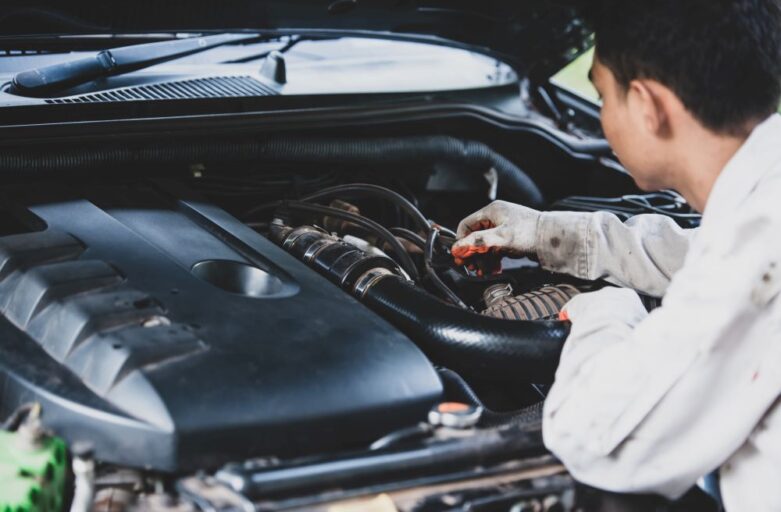
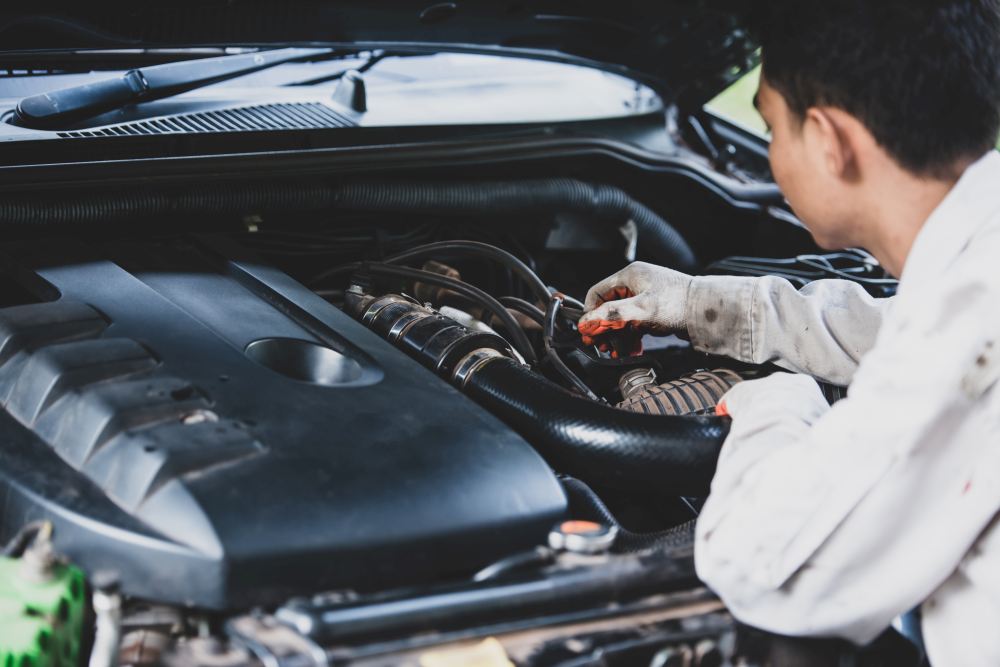
Auto repair is the kind of service most drivers hope they will not need urgently, which is exactly why choosing a workshop before that urgency arrives is one of the more sensible decisions a car owner can make.
The Range of Auto Repair Services
The term auto repair covers an enormous scope of work. At one end sits routine servicing: oil changes, air filter replacements, spark plug checks, and tyre rotations that keep a vehicle running as the manufacturer intended. At the other end sits complex diagnosis and repair: engine rebuilds, gearbox overhauls, suspension geometry correction, electrical fault tracing, and air conditioning system repairs that require specialist training and dedicated equipment.
Between these extremes lies the daily work of a capable workshop: brake pad and disc replacement, timing belt and chain service, coolant system flushing, battery and alternator replacement, CV joint service, and a range of checks that catch problems before they become expensive failures.
Why Singapore’s Driving Conditions Matter
Singapore’s road environment places specific demands on vehicles. The combination of high ambient temperatures, stop-start urban traffic, year-round high humidity, and the relatively short distances driven per trip creates conditions that accelerate wear on certain components more than typical highway-dominated driving would.
Engine oil degrades more quickly under the thermal cycling of repeated short trips. Brake components face more frequent application in dense traffic. Air conditioning systems, running continuously against Singapore’s heat and humidity, experience higher compressor loads than systems in temperate climates. Auto repair intervals and inspection priorities should reflect these local conditions, not simply follow generic international manufacturer schedules.
Signs That a Workshop Visit Is Overdue
Some vehicle problems announce themselves clearly. Others develop gradually and are easy to normalise until they cannot be ignored:
- A pulling sensation in the steering wheel, suggesting uneven brake wear or misaligned wheels
- Longer stopping distances, indicating brake pad or hydraulic system deterioration
- Engine hesitation or rough idling, which may point to fuel system, ignition, or sensor issues
- Unusual smells, particularly burning oil, overheating coolant, or clutch material under heavy use
- Warning lights on the dashboard, which should always be taken seriously rather than covered with tape
“Problems can be solved if you face them squarely.” – Lee Kuan Yew
A vehicle problem that is acknowledged and addressed early is almost always resolved more cheaply than one that is deferred until the situation becomes unavoidable.
Choosing the Right Workshop
Not all auto repair services are equivalent in quality. The factors worth evaluating before committing to a workshop include:
- Technician qualifications: Are mechanics trained and experienced with the specific vehicle make and model?
- Diagnostic equipment: Does the workshop use up-to-date scanning and diagnostic tools for the vehicle types they service?
- Transparency: Does the workshop explain what they found, why the repair is needed, and what the alternatives are?
- Warranty on work: Is the repair backed by a warranty that gives the customer recourse if the problem recurs?
- Communication: how quickly do they respond to queries, and do they keep the customer informed during longer repairs?
A workshop that scores well on these criteria is worth the time it takes to find.
Routine Maintenance vs Reactive Repair
The most cost-effective approach to vehicle ownership in Singapore is one that prioritises regular maintenance over reactive repair. Routine servicing at the manufacturer’s recommended intervals, or adjusted intervals that account for local conditions, catches deteriorating components before they fail. An oil change that takes thirty minutes and a modest sum prevents the engine damage that can result from running on degraded lubricant. A tyre pressure check costs nothing but prevents uneven wear that shortens tyre life.
Vehicle maintenance is not an expense that competes with ownership pleasure. It is what makes ownership reliable, safe, and ultimately less expensive over the service life of the vehicle.
Planning Vehicle Care Across the Year
For car owners who want to approach vehicle maintenance systematically, a simple annual schedule helps:
- Every 5,000 to 10,000 km: oil and filter change, visual inspection of fluid levels, and tyre condition
- Every 20,000 to 30,000 km: cabin and engine air filter replacement, brake system inspection
- Every 40,000 to 60,000 km: spark plug replacement, transmission fluid check, coolant system assessment
- At manufacturer-specified intervals: timing belt or chain service, which, if missed, can result in catastrophic engine damage
Auto repair done with the right frequency, by qualified hands, is what keeps a vehicle reliable through every season of Singapore driving.